
Guide
Why a Garage Door Goes Off Track Around Fond du Lac
Fond du Lac's 1960s-70s housing stock and severe cold push doors off track in specific ways. Here's what causes it and when to stop and call a pro.
Local detail
How Local Conditions Play In
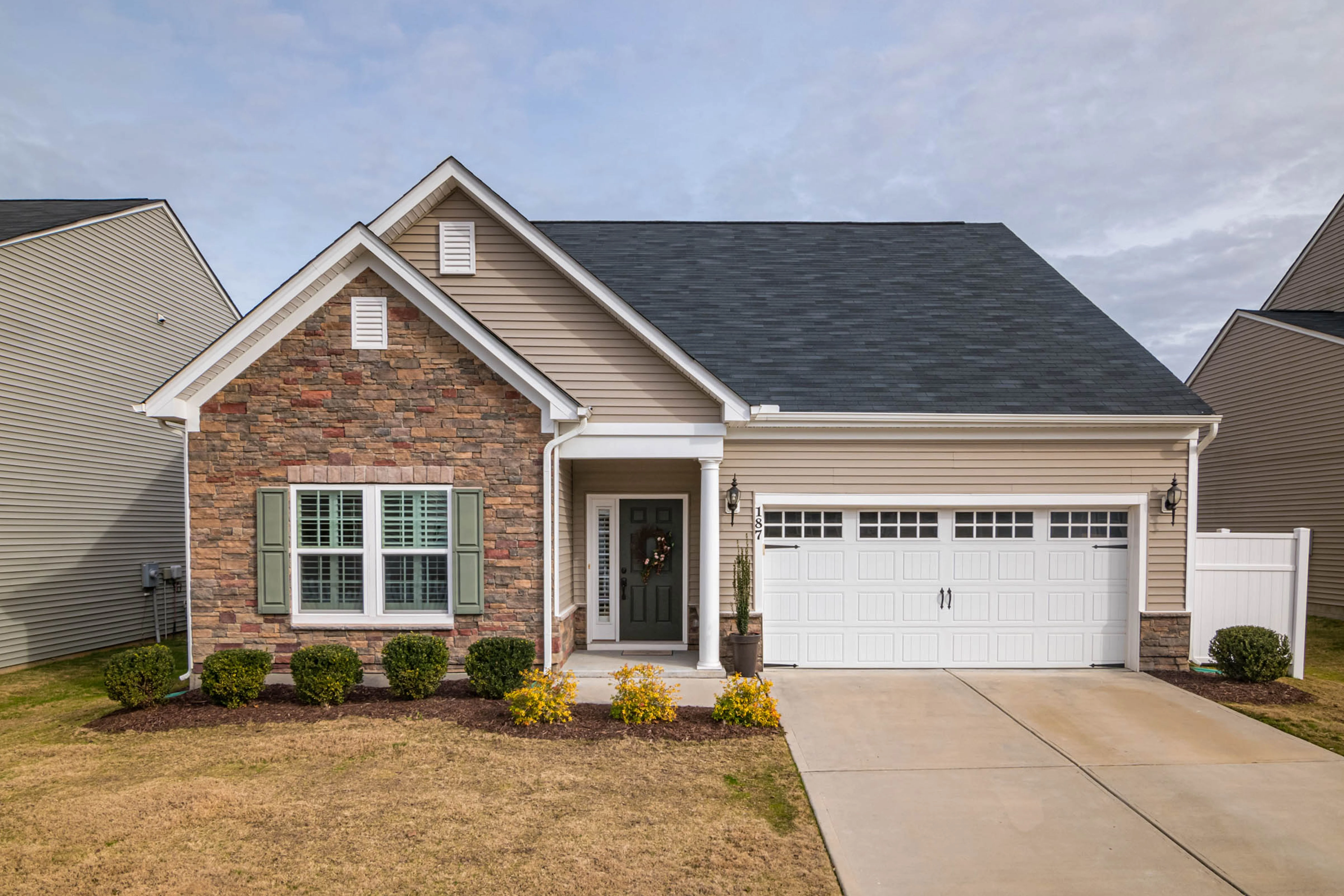
Most of the houses in this service area went up between 1938 and 1993, with the bulk from the 1960s and 70s across two dozen named neighborhoods. That era of construction leaned on steel track bent to looser tolerances than what gets installed today, and thinner-gauge rollers that wear an eighth-inch of play into the track faster than newer hardware does. Add a severe cold climate band and you get a second problem stacked on the first: track brackets fastened to jamb studs that shrink and swell every winter, working screws loose a turn at a time.
A door that was aligned in July can be riding on a track that's shifted by January. On a house built in that 1960s-70s window, the original track is usually still up there, sometimes re-hung once, rarely replaced outright. That combination - older track profile plus a climate that moves the framing around it - is the actual reason doors in this area go off track more than the panel or the opener gets blamed for.

The area
The Problem
A door goes off track for one of a short list of reasons, and in this area the list skews toward two of them. First, a bent track section - usually from the bottom bracket taking a hit, or from a roller working loose and letting the door hunt sideways until it walks the track apart. Second, and more common on the older stock here, brackets that have backed out of studs that have moved with the seasons.
You'll see it as a gap between the track and the wall, or a door that runs smooth for eighteen inches and then binds. A broken cable will also throw a door off track instantly, and on doors sized for houses from this era, cable runs are often original and past due. None of these start as a total failure.
They start small: a scrape, a shudder at the same spot every time, a roller that looks slightly cocked in its bracket. By the time the door jumps the track fully, it's usually been telling you for weeks.

What we find
When It Stops Being a DIY Job
Tightening a loose bracket screw or vacuuming out a track is fine to do yourself. Once the door has actually come off the track - meaning a roller has left the channel, not just a bracket that's shifted - the door is holding tension from the spring with nothing keeping it running straight, and pulling on it to force it back can put you in the way of a spring that's not built to hold a door at an odd angle. That's the line.
If the bottom bracket has pulled away from the door panel, or the cable is visibly frayed or slack, stop and call rather than wrestle it back into the track. To be direct about a limit here: we don't rehang doors on track that's been bent and re-bent more than once. Past that point the track profile is compromised and it'll walk again in a season, so replacing the section is the honest call even though it costs more up front.
How we work
Checking It Yourself
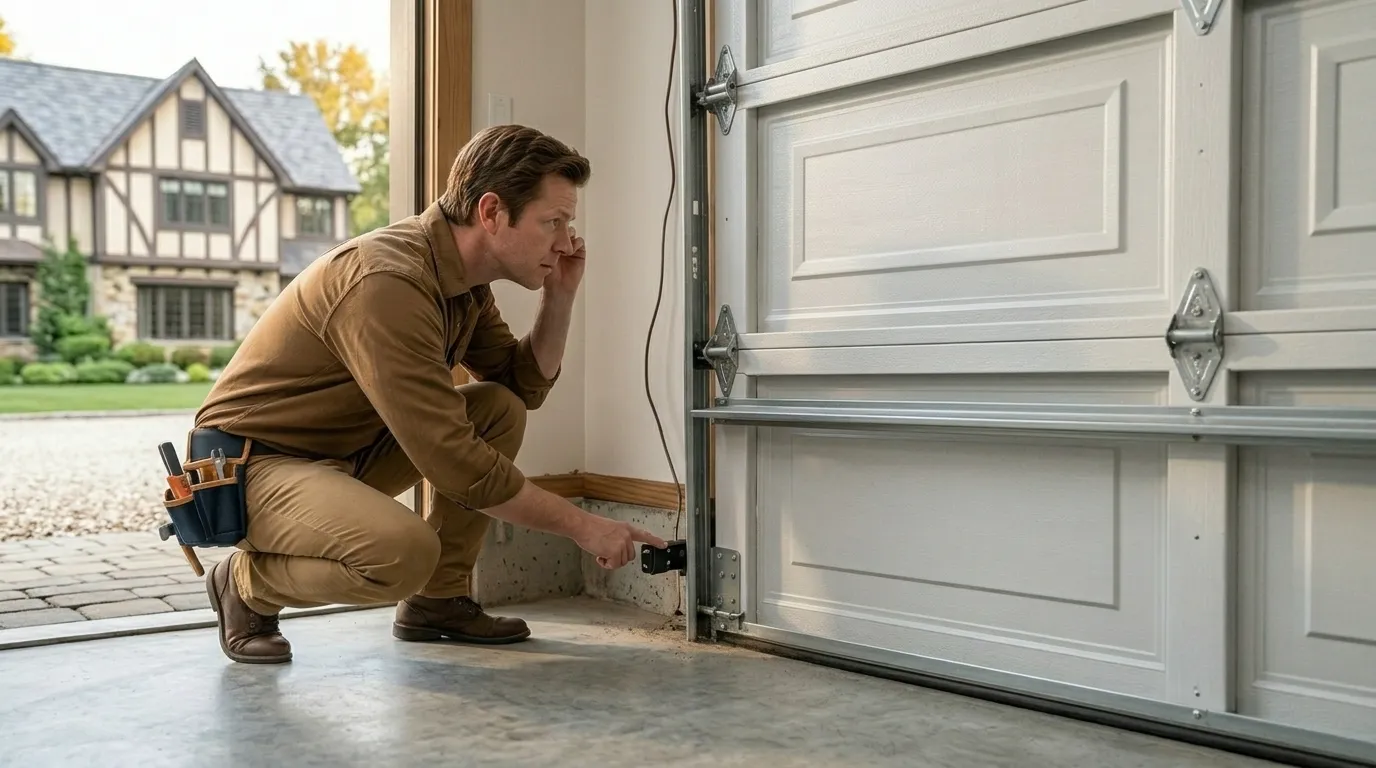
Before it jumps the track, walk the track from the floor up and look for gaps between the bracket and the jamb - on houses from the 1960s and 70s in this area, that's the first place movement shows. Run your hand along the horizontal section (door closed, opener unplugged) and feel for a lip or ridge where two track pieces meet; that's usually a loosened splice, not wear.
Watch the door through one full cycle and note the exact spot where it hesitates or scrapes - that's almost always where the next failure happens. If you're getting under a hard freeze stretch, check bracket screws again once cold settles in; the same wood movement that loosens them over a whole winter can also loosen them fast during the first sharp cold snap of the season.
Questions
Common questions
Why did my garage door suddenly jump off the track?
Usually a roller worked loose from a bracket that had already backed away from the wall stud - common on houses from the 1960s-70s stock in this area, where seasonal cold has been working those screws loose for years before the door actually leaves the track.
Can I push the door back onto the track myself?
Not once a roller has actually left the channel. The spring is still holding tension and the door isn't running straight, so forcing it can be risky. Loose brackets that haven't let a roller escape are fine to re-tighten yourself.
Is a bent track always the cause?
No. On older track from the 1960s-70s era common here, a bent section is one cause, but bracket screws backed out by seasonal wood movement is just as common and doesn't always show as an obvious bend.
Will you always replace the whole track section?
Not always, but if a section has been bent and straightened more than once, we won't rehang it. The profile's compromised by that point and it will walk off track again within a season.
Ready when you are
Need a garage door sorted in Fond du Lac?
Fond du Lac Garage Door Pros repairs and installs garage doors, springs and openers in Fond du Lac, WI and the surrounding area.