
Guide
Why Older Fond du Lac Garage Doors Struggle With Winter
In Fond du Lac, many houses built between 1938 and 1993 have garage doors with no real insulation, a costly gap given this area's severe cold winters.
Local detail
How Local Conditions Play In
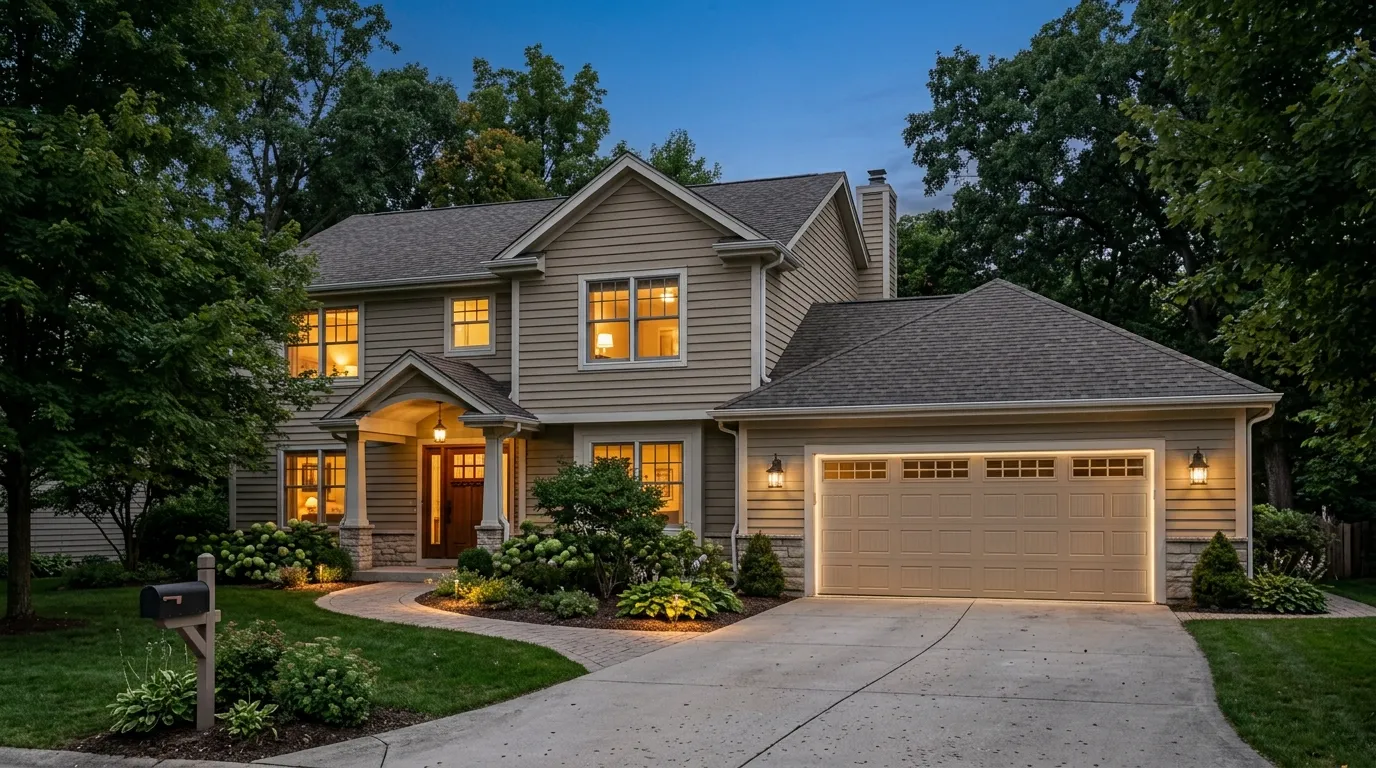
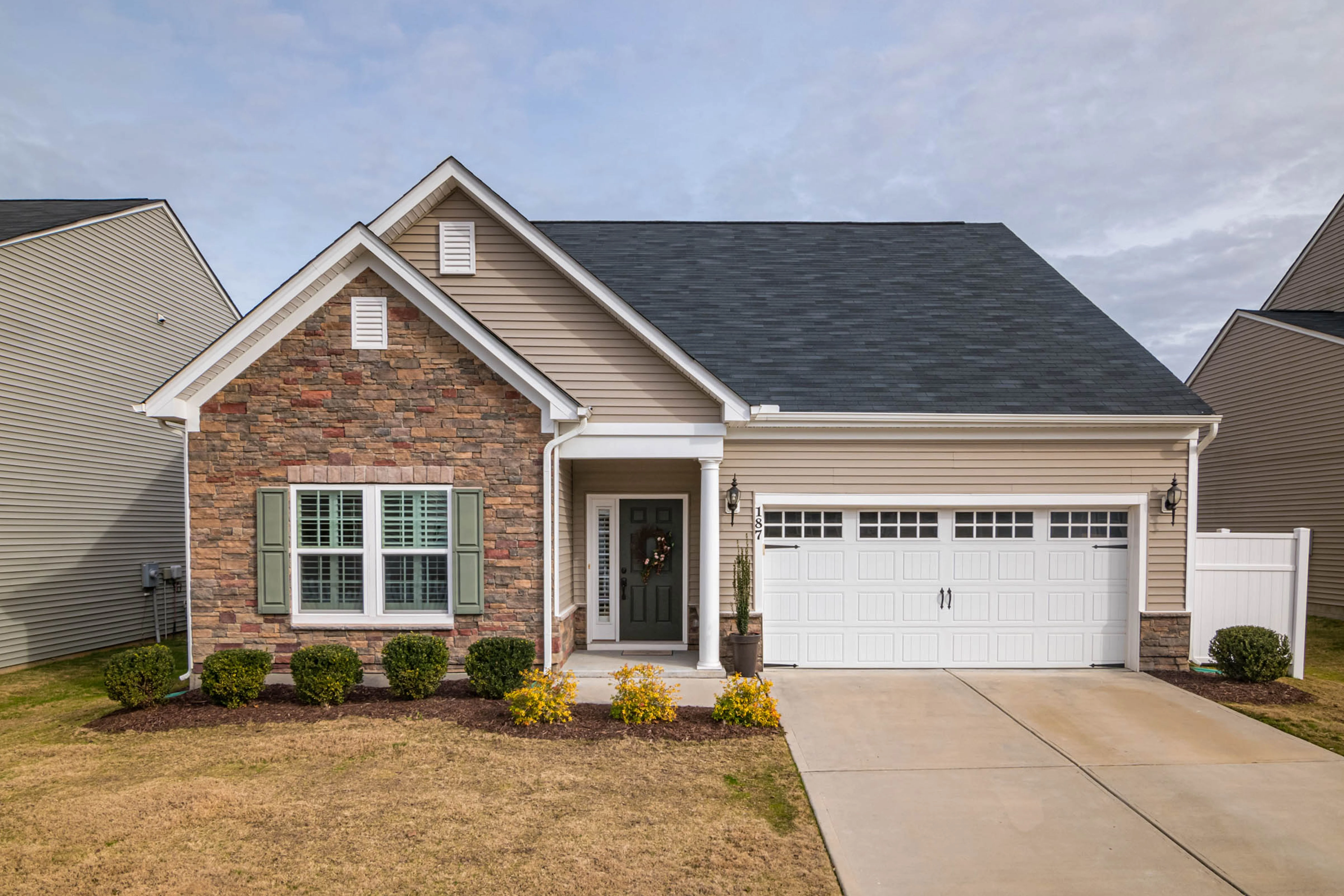
Most of the housing stock around Fond du Lac went up between 1938 and 1993, with the median build year landing around 1970, and the bulk of it dates to the 1960s and 70s. That matters because garage doors installed during that stretch were built to keep out rain and hold a shape, not to hold heat. Insulation requirements for garage doors weren't part of standard practice yet, so a huge share of the doors still hanging on these houses are single layer steel or old wood panel, with nothing behind the skin.
Pair that housing age with the climate this area sits in - a cold band with real severity, not just an occasional hard freeze - and you get a specific, recurring problem. A door built for 1965 weather expectations is being asked to do a job it was never designed for, every winter, for decades running. This isn't a hypothetical. It's the actual condition of a large share of garages in this area right now, and it shows up as ice, drafts, and a garage that never gets above freezing even with a space heater running.
The area
The Problem
An uninsulated steel door is basically a big cold sheet metal panel with a thin foam or nothing behind it. In a severe cold climate, that panel becomes the coldest surface in the garage, and often the coldest surface touching the house. Warm, moist air inside the garage hits that cold steel and condenses, which is why you'll see rust starting at the bottom panel edges on doors from this era before anywhere else.
The other issue is the bottom seal. Doors from the 1960s and 70s often used a simple rubber strip that was fine for the codes of the time but was never asked to seal against the kind of cold this area actually gets. Once that strip cracks or flattens, cold air comes straight under the door and along the slab, and no amount of space heater fixes that - it just runs the heater constantly while the cold keeps coming in at floor level.
Wood panel doors from the same era have a different version of the same problem: they absorb moisture, swell, and stop sealing tight against the frame, which lets cold air track in around the whole perimeter instead of just the bottom.
What we find
When It Stops Being a DIY Job
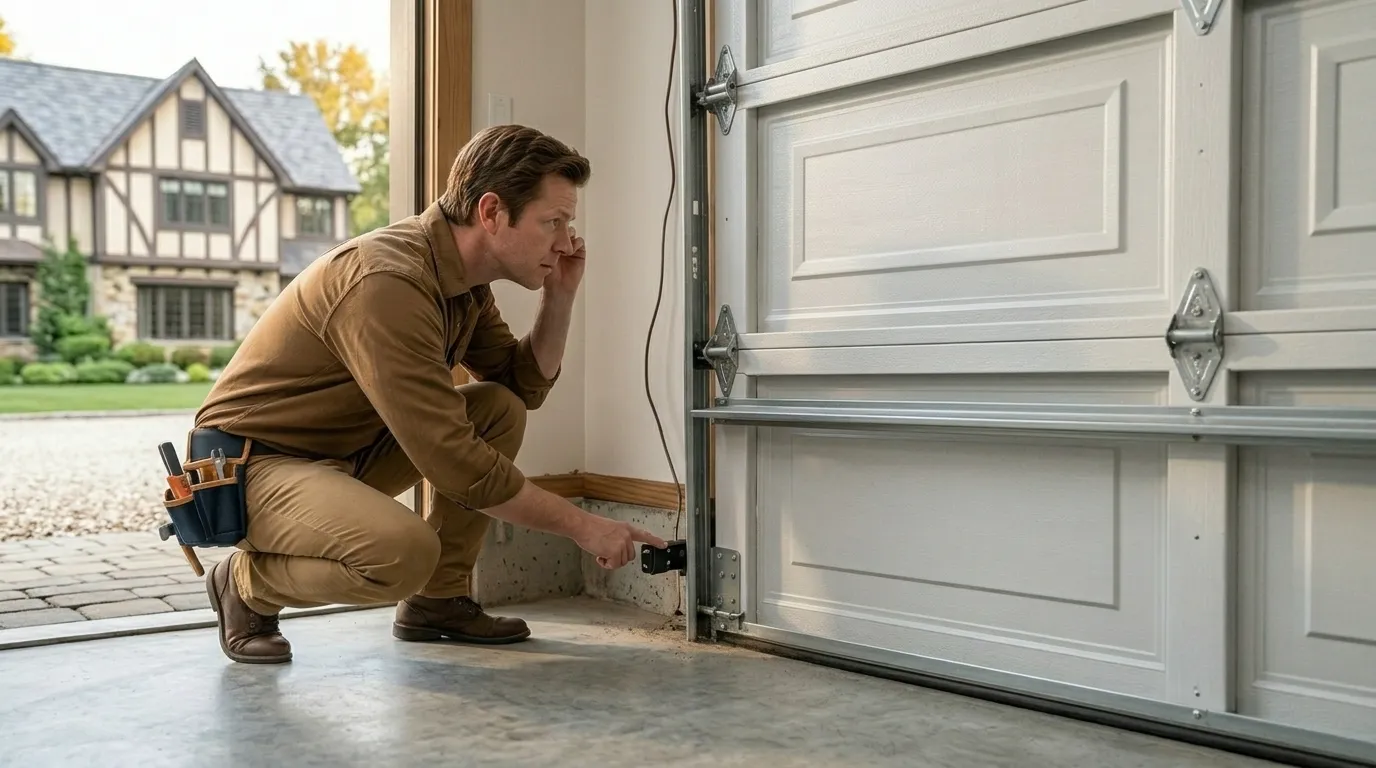
You can weatherstrip a bottom seal and add a foil-faced insulation kit yourself, and for a door that's structurally sound, that's a reasonable weekend project. Where it stops being a DIY job is when the panel itself is warped, when the steel is thin enough to flex under hand pressure, or when the door is original hardware from a house built in the 1960s or 70s and the springs and tracks are the same age as the panel.
Here's the honest limitation: insulating a 50-plus year old door that's already dented, rusted at the bottom corners, or hanging unevenly on its tracks is often money spent to make an old door slightly less bad, when a new insulated door would cost more up front but actually solve the cold problem instead of softening it. We won't sell an insulation retrofit on a door that's on its way out just to make a sale - if the door underneath the problem isn't sound, retrofitting it is a short-term patch, and we'll say so.
Spring and track work on original 1960s-70s hardware also isn't a DIY call. That gear is under heavy tension and parts for some of that older hardware aren't something you'll find at a hardware store.
How we work
Checking It Yourself
Before you call anyone, a few things you can check on your own. Stand inside the closed garage on a cold day and run your bare hand along the bottom edge of the door and along both side jambs - if you feel moving air, not just cold metal but actual draft, your seal has failed. Look at the bottom corners of the panel for rust bubbling under the paint; on doors from the 1960s-70s stock common in this area, that's usually the first sign the steel has been sweating for years.
Check the panel itself for a foam-backed feel versus a hollow tap. Knock on it - a door with any insulation gives a duller, denser sound. A completely hollow ring means you're dealing with a single skin panel, standard for houses built well before insulation was part of the spec.
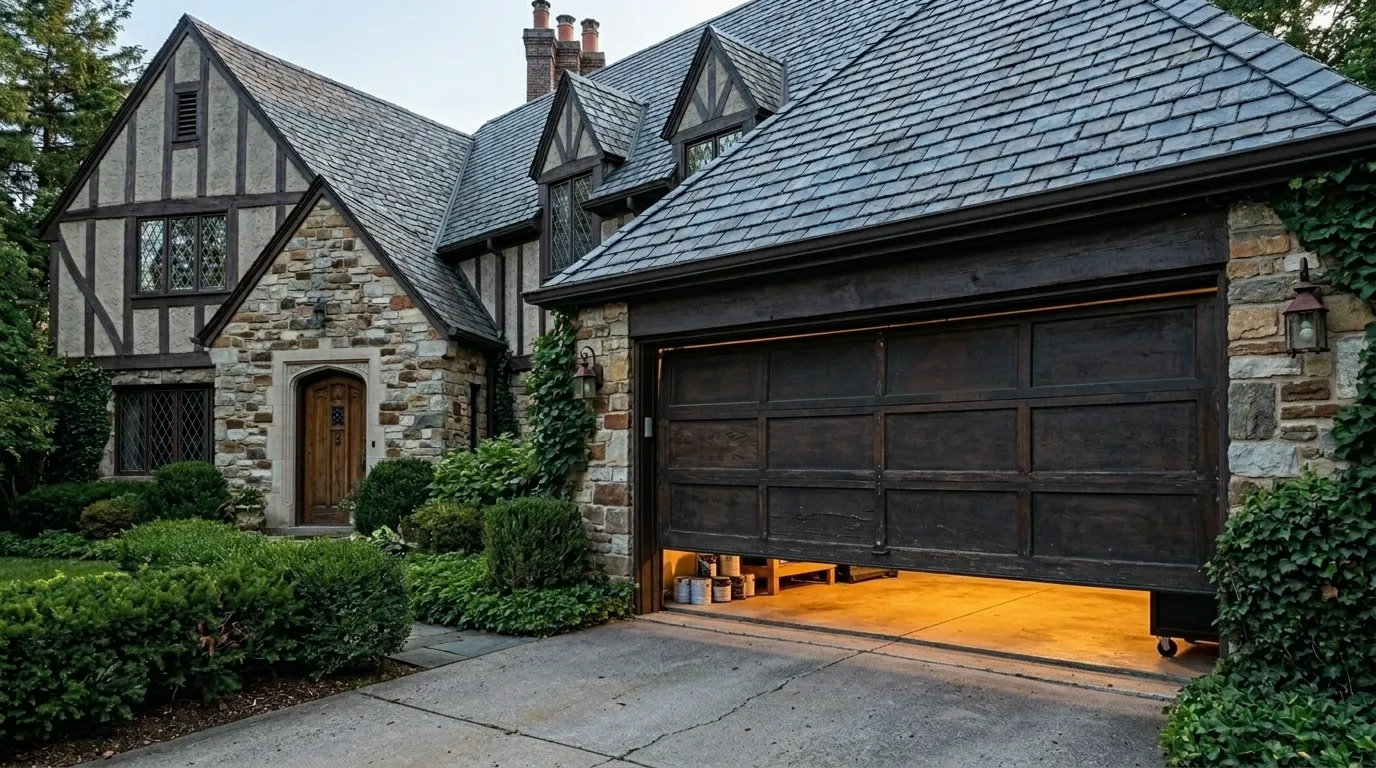
Last thing: open the door partway and look at the tracks and spring for rust, flat spots on rollers, or a spring that looks like it's been painted over multiple times. That's often a sign of age matching the house rather than the door having been replaced at some point.
Questions
Common questions
Is it worth insulating an old garage door instead of replacing it?
Depends on the door's condition. If the panel is straight, not rusted through, and the hardware is sound, an insulation kit can help with the draft and condensation issues common on doors from the 1960s-70s stock in this area. If the panel is already warped or the bottom corners are rusting out, insulating it just delays a replacement you'll still need.
Why does my garage door sweat on the inside in winter?
That's condensation from warm, moist garage air hitting a cold, uninsulated steel panel - common on doors built before insulation was standard, which describes a lot of the housing stock here given the 1938-1993 build range and 1970 median. The fix is either insulating the door or reducing moisture sources in the garage.
How cold does it actually get inside an uninsulated garage here?
We don't have a specific inside-garage temperature reading to give you, but the outside climate here is classified as severe cold, and an uninsulated steel door does little to block that from transferring straight into the garage.
Ready when you are
Need a garage door sorted in Fond du Lac?
Fond du Lac Garage Door Pros repairs and installs garage doors, springs and openers in Fond du Lac, WI and the surrounding area.