Guide
Noises That Mean Something
Fond du Lac homes built mostly 1960s-70s pair original hardware with severe winters. Here's what grinding, popping, and slapping sounds mean on this housing stock.
Local detail
How Local Conditions Play In
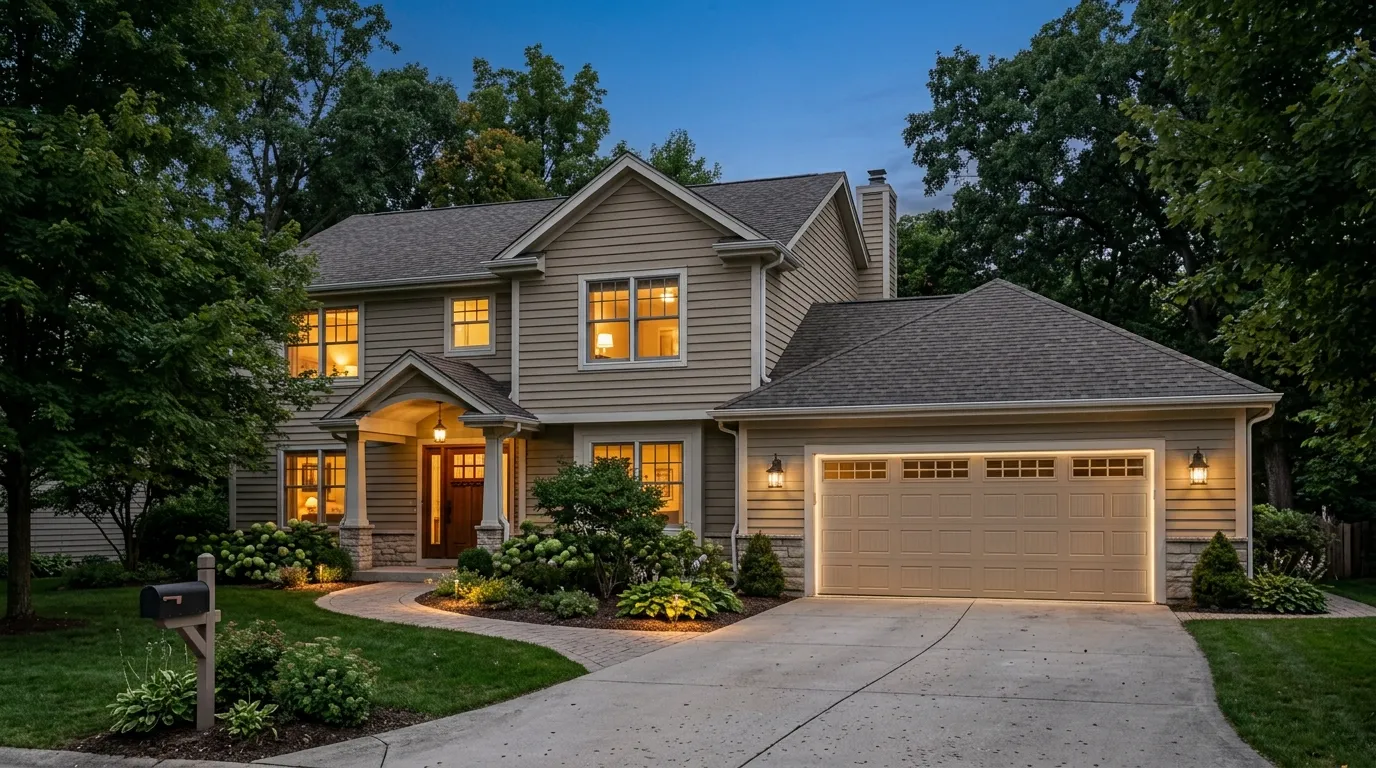
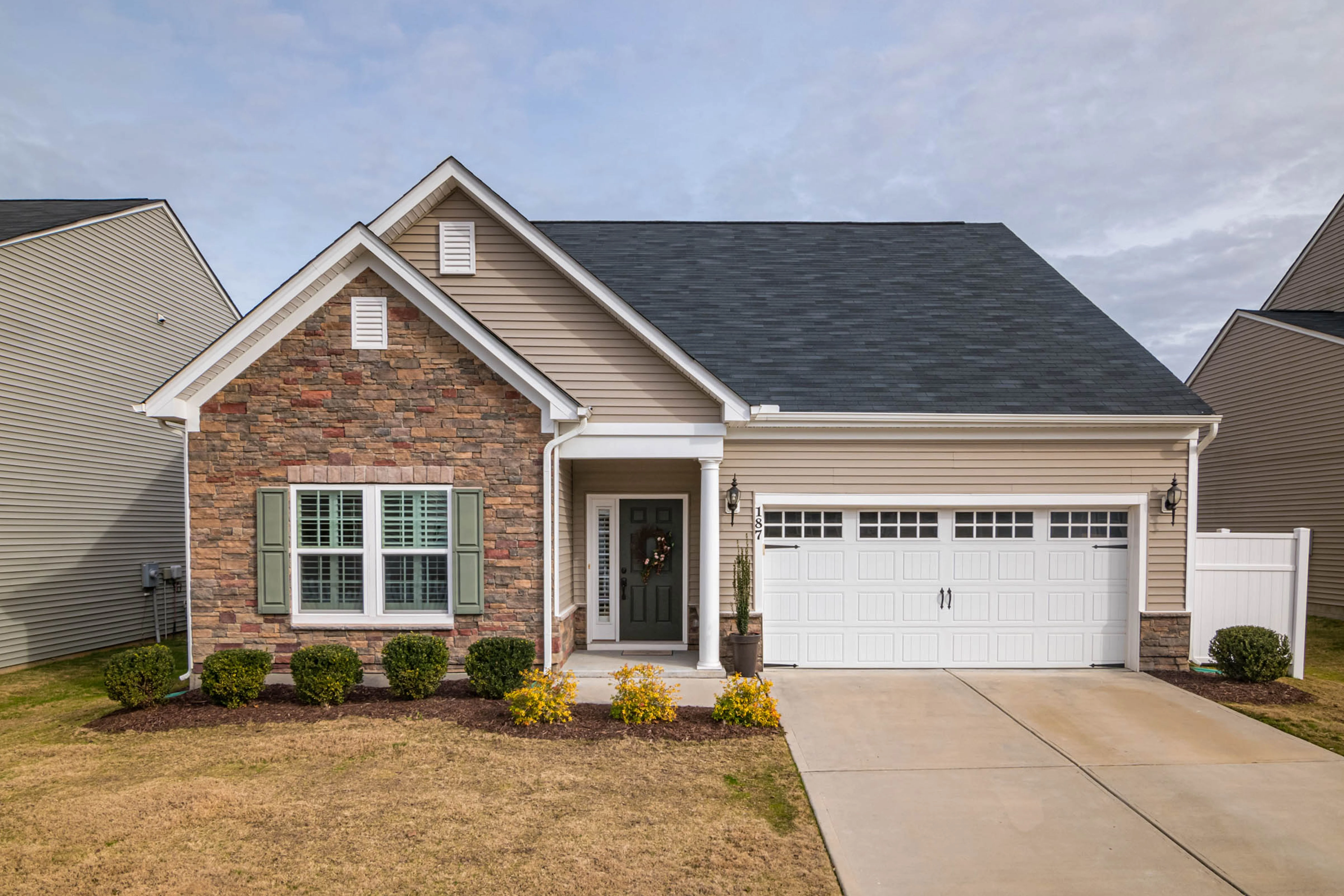
Most houses in Fond du Lac went up between 1938 and 1993, with the bulk of the stock dating to the 1960s and 70s across the twenty-some named areas around town. That matters for noise because a door installed during that window is on its second or third opener by now, but often still riding the original track brackets and hinges, just re-shimmed over the years instead of replaced square. Add the climate band here, which the federal data marks as severe cold, and you get a specific failure pattern: steel contracts hard in January, grease in old bearings stiffens up, and any looseness in track alignment that was silent in August turns into a bang or a scrape the first cold snap.
A door that's been quiet for fifteen years can start making noise almost overnight once the temperature drops and nothing else changed. That's not the door failing out of nowhere - it's decades-old hardware finally telling you where the slack has been hiding all along.
The area
The Problem
On a house from the 1960s or 70s, three sounds show up more than any others, and each one points somewhere different. A rhythmic thump as the door travels usually means a roller has worn flat - common on original steel rollers that were never swapped for nylon. A sharp bang, usually one loud pop and then silence, is almost always a torsion spring giving out, and on older single-spring setups (more common on doors from this era than the dual-spring systems used today) that failure is sudden and total - the door won't move safely afterward.
A slow grinding as the door nears the top of its travel often means the track brackets have worked loose from the jamb, which happens more on homes where the framing has settled over fifty-plus years. None of these are cosmetic. They're wear patterns that match the age of the housing stock in this area, not random noise.

What we find
When It Stops Being a DIY Job
A bang followed by the door refusing to lift, or lifting only partway before stopping, means a spring has broken. Don't try to unwind or remove a torsion spring yourself - the tension stored in it is enough to cause serious injury, and this is true regardless of how old the door is.
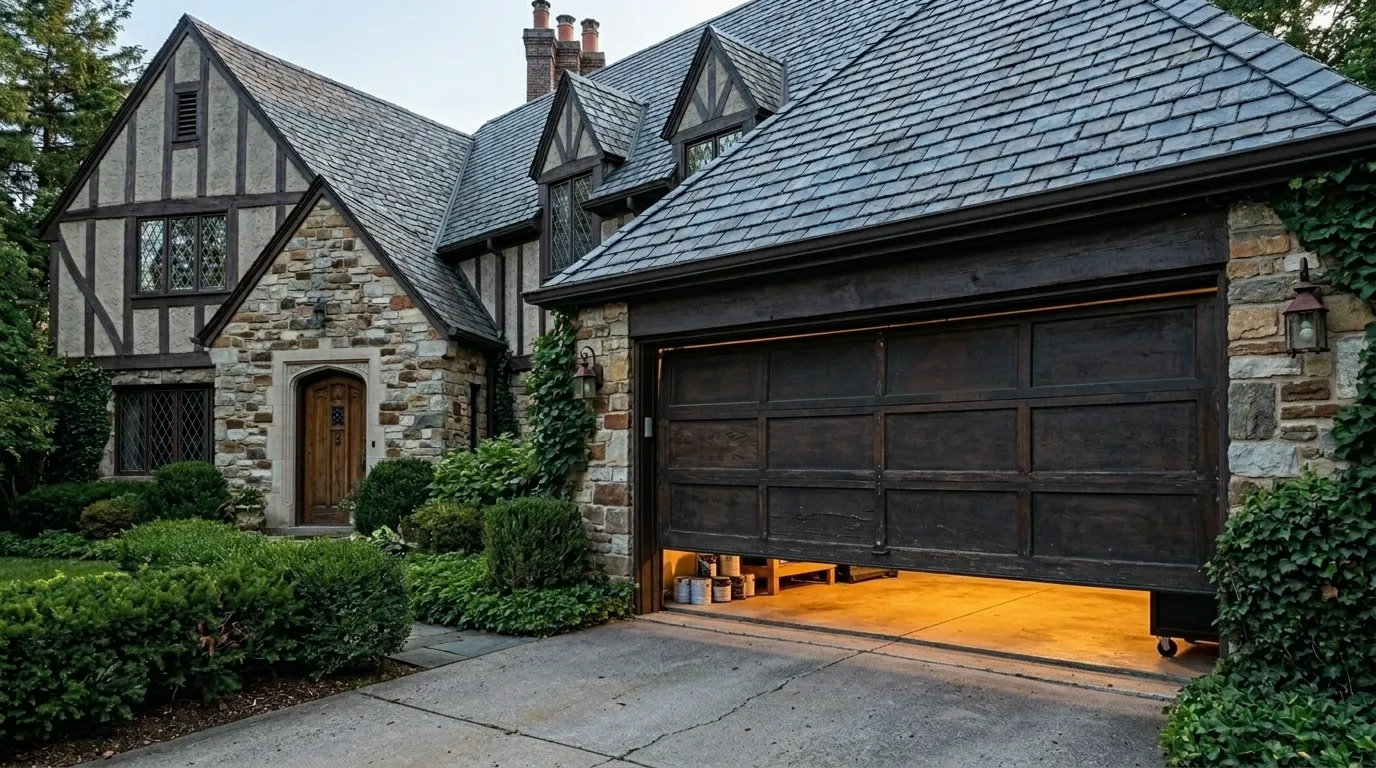
If you hear grinding metal-on-metal near the top of the track, stop running the opener until someone looks at the bracket mounting; running it can pull the bracket clean out of the jamb and drop the door. We'll be straight about limits: on some of the original 1960s and 70s doors we still see out here, parts like the exact roller size or hinge gauge aren't something we stock on the truck, and a repair can mean a short wait on parts or, past a certain point, replacing the section instead of chasing a match for hardware that's not made anymore.
How we work
Checking It Yourself
Before you call anyone, a few checks take five minutes and tell you a lot. With the door closed, look at the rollers where they sit in the track - flat spots or visible rust on original steel rollers are common on the older stock in this area and are worth flagging even if the door still runs. Check the brackets holding the track to the frame; on houses with fifty-plus years of settling, a bracket screw backing out is normal wear, not a sign anything's about to fail today.
Listen for when the noise happens - during travel usually means rollers or track, right at the top or bottom usually means springs or cables. What you shouldn't do in cold weather is force a door that's sticking; steel hardware contracts in severe cold, and forcing a stiff door is how a marginal spring finally lets go. If a noise is new and sudden, that's the one to get looked at rather than wait on.
Questions
Common questions
Why did my garage door suddenly get noisy this winter and not before?
Steel hardware contracts in cold weather, and Fond du Lac's climate band is classified as severe cold. On a door with any existing wear - common given how much of the local housing stock dates to the 1960s and 70s - that contraction is often what turns a quiet, marginal part into an audible one.
Is a grinding noise near the top of the track dangerous?
It can be. That sound usually means a track bracket has worked loose from the jamb, which shows up more often in houses with decades of frame settling. Running the opener against a loose bracket can pull it free and drop the door. Stop using the opener and get the bracket checked before running it again.
Can I replace a torsion spring myself to stop the banging noise?
No. A torsion spring under tension can cause serious injury if it's handled wrong, and that's true no matter how old your door is. If you heard one loud bang and the door won't lift, treat it as a broken spring and leave the spring itself alone.
Will you have parts for an original 1960s garage door on hand?
Not always. Some of the roller sizes and hinge gauges used on doors from that era aren't things we carry on the truck, since they're not made anymore. Depending on what's needed, that can mean a short wait on parts or a conversation about replacing the section instead.
Ready when you are
Need a garage door sorted in Fond du Lac?
Fond du Lac Garage Door Pros repairs and installs garage doors, springs and openers in Fond du Lac, WI and the surrounding area.