
Guide
Why Draughts Under the Door Are Worse Here Than They Look
Fond du Lac's 1960s-70s housing stock and cold-severe winters wear out garage door seals fast. Here's what to check before the draught becomes a bigger repair.
Local detail
How Local Conditions Play In
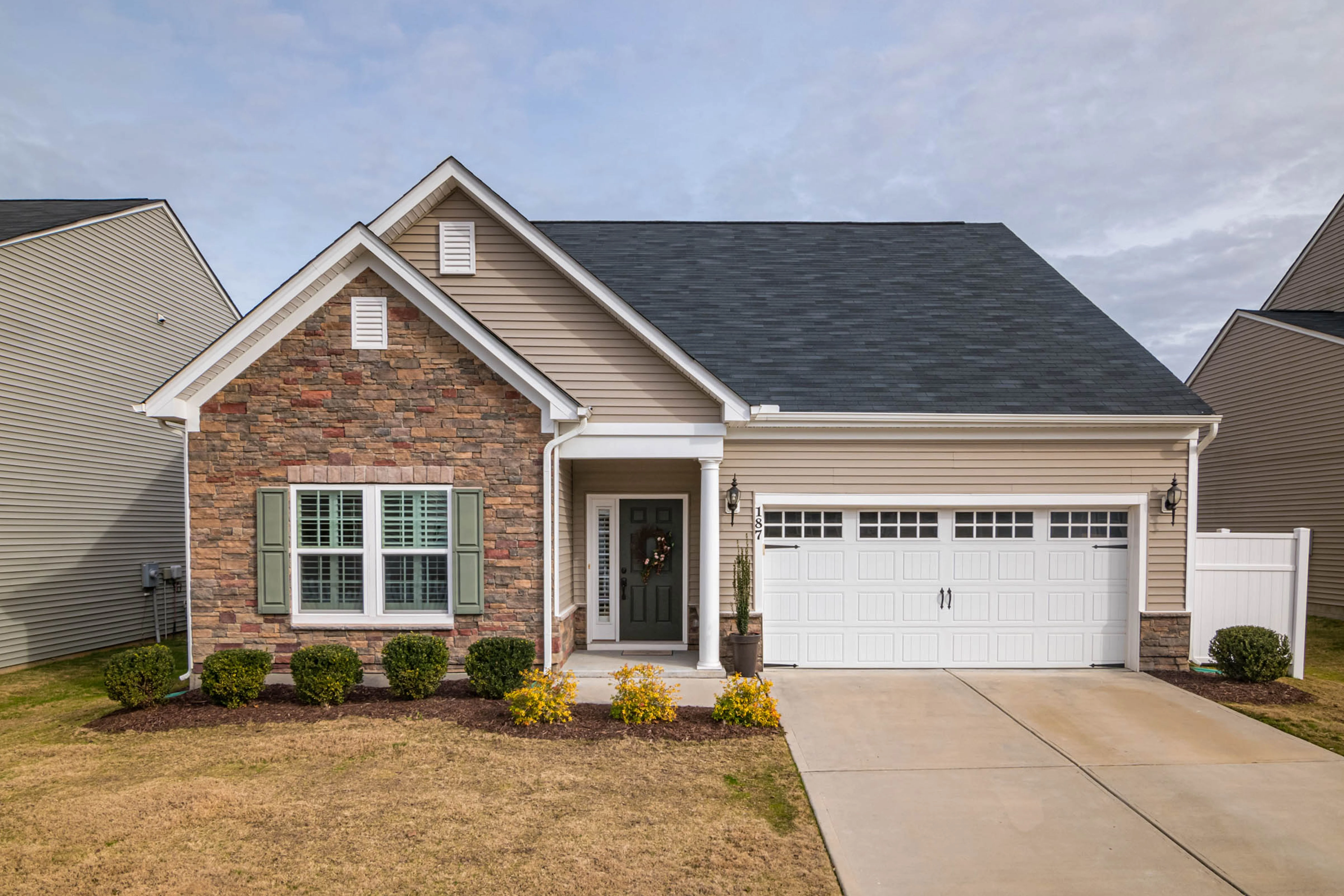
Fond du Lac sits in a cold-severe climate band, which means the seal under your garage door isn't just keeping out a breeze - it's the line between a heated space and a slab that sits at outdoor temperature for months at a time. Most of the housing across this service area went up between 1938 and 1993, with the bulk from the 1960s and 70s. Doors from that era were built to the tolerances of that decade, and the vinyl or rubber bottom seals that came with them have a working life measured in years, not decades.
By now, on a house that's fifty or sixty years old, you're likely on a second or third seal already, sometimes one that was never matched properly to the original track and jamb. Cold makes vinyl seals stiffen and crack faster than they would in a milder climate, and once a seal cracks, cold air finds the gap every single night. That's the mechanism behind the draught you're feeling at the base of the door - not a mystery, just old material meeting a hard winter.

The area
The Problem
A failed bottom seal or worn weatherstripping along the jambs doesn't announce itself the way a broken spring does. You don't hear a bang. You just notice the garage is colder than it used to be, or there's a thin line of frost forming where the door meets the floor.
On the 1960s-70s stock that makes up most of this area, the seal channel itself is often the weak point - not just the rubber, but the aluminum retainer it sits in, which corrodes or bends over decades of freeze-thaw cycles. Weight and gravity work against you too: an older door that's sagged slightly out of square will never seal evenly along the bottom, no matter how new the strip is. That's a framing and hardware issue, not a seal issue, and replacing the rubber alone won't fix it.
The honest answer is that some draughts are a five-minute strip replacement and some are a sign the door needs to come off the track for a proper look. You can't always tell which one you've got from inside the garage.

What we find
When It Stops Being a DIY Job
If the seal is just worn - flattened, cracked, or pulling out of its track - that's a straightforward swap most owners can handle with the right strip and a little patience. Where it stops being a DIY job is when the gap isn't uniform: wider on one side, or wider at the top corners than the bottom. That's usually a sign the door itself has racked out of square, or the track has shifted, which is common on older homes across this area where the slab has settled over fifty-plus years.
At that point a new seal will look right for a week and then gap again in the same spot. It's also worth knowing that on some of the older one-piece and early sectional doors still in service here, a matching replacement seal isn't a standard hardware-store item - sourcing the right profile can take longer than the fix itself. If you've swapped the strip twice in two winters and it's still leaking air, that's the point to stop guessing and get it looked at properly.
How we work
Checking It Yourself
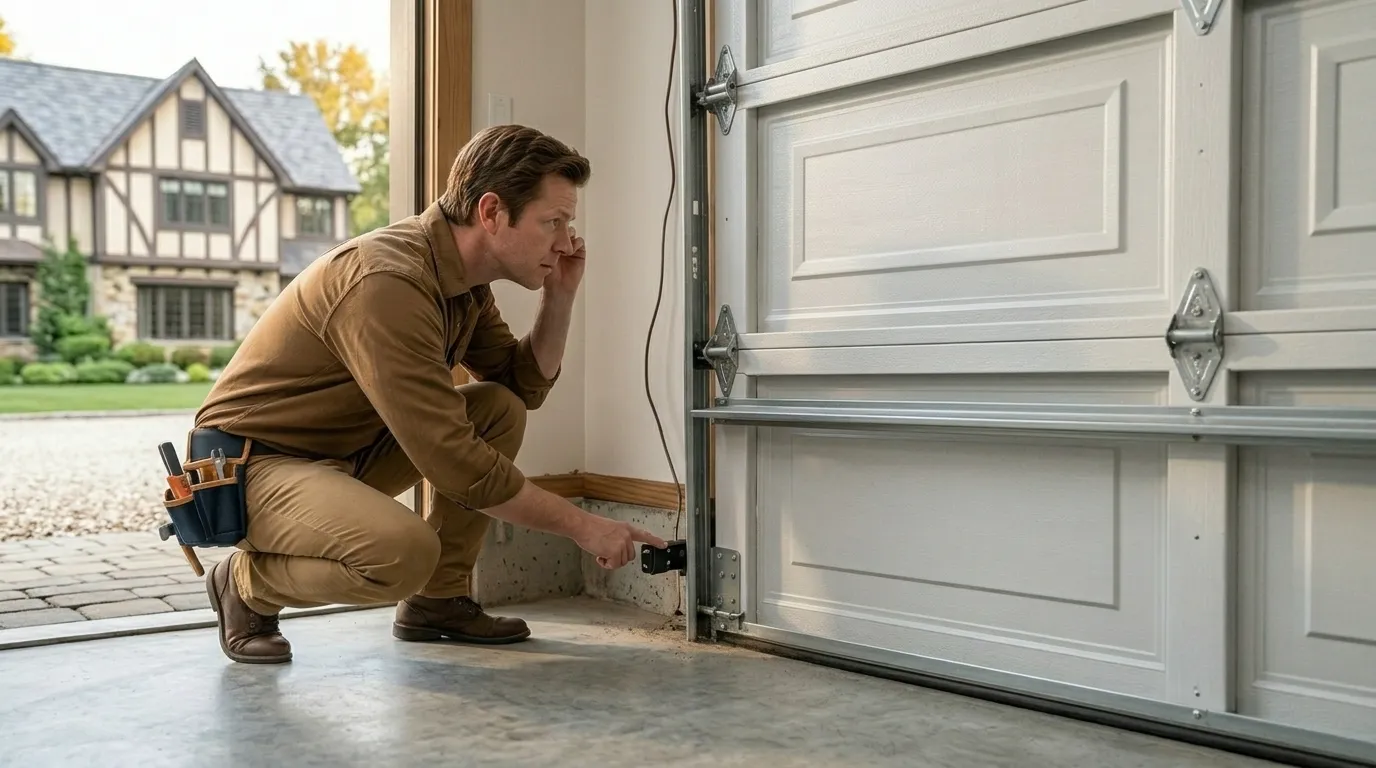
Start at the bottom seal on a cold morning: run a hand along the full width where the door meets the slab, and note where you feel moving air rather than just cold concrete. Do the same along both side jambs and across the top, where a lot of owners never think to check. A sheet of paper is a decent test - close the door on it at several points along the bottom edge and see where it slides out easily instead of holding.
If the gap is even and small, a new bottom seal is a reasonable first move. If it's uneven, wider on one side, or the door looks tilted when it's down, that's a hardware problem hiding behind what feels like a weatherstripping problem, and no amount of new rubber will close it for good. Either way, checking now, before the coldest stretch of the season, beats finding out the hard way with a frozen seal stuck to the slab.
Questions
Common questions
Why does my garage door leak cold air even though the seal looks fine?
On older homes in this area, the seal can look intact while the door itself has drifted slightly out of square over decades of settling. A seal that's the right shape but sitting against an uneven gap still won't stop draughts. Check for uneven gaps along the bottom before assuming the rubber is the problem.
How often should I replace the bottom seal in this climate?
There's no fixed schedule in the facts available, but cold-severe winters stiffen and crack vinyl seals faster than milder climates do. If your seal is flattened, cracked, or pulling loose from its track, that's the time to replace it - waiting for spring just means another winter of heat loss.
Can I fix a draughty garage door myself?
A straightforward bottom seal replacement is a reasonable DIY job for most owners. Where it gets harder is if the gap is uneven side to side, which usually points to a door or track that's shifted out of square - that's a hardware check, not a seal swap, and worth having looked at directly.
Ready when you are
Need a garage door sorted in Fond du Lac?
Fond du Lac Garage Door Pros repairs and installs garage doors, springs and openers in Fond du Lac, WI and the surrounding area.