Single roller repair affordability
A single cracked roller on an otherwise sound door is a small job. A full set of ten worn rollers on a double door, especially if the track is bent from years of a roller riding rough, is a bigger one.
Fond du Lac, WI
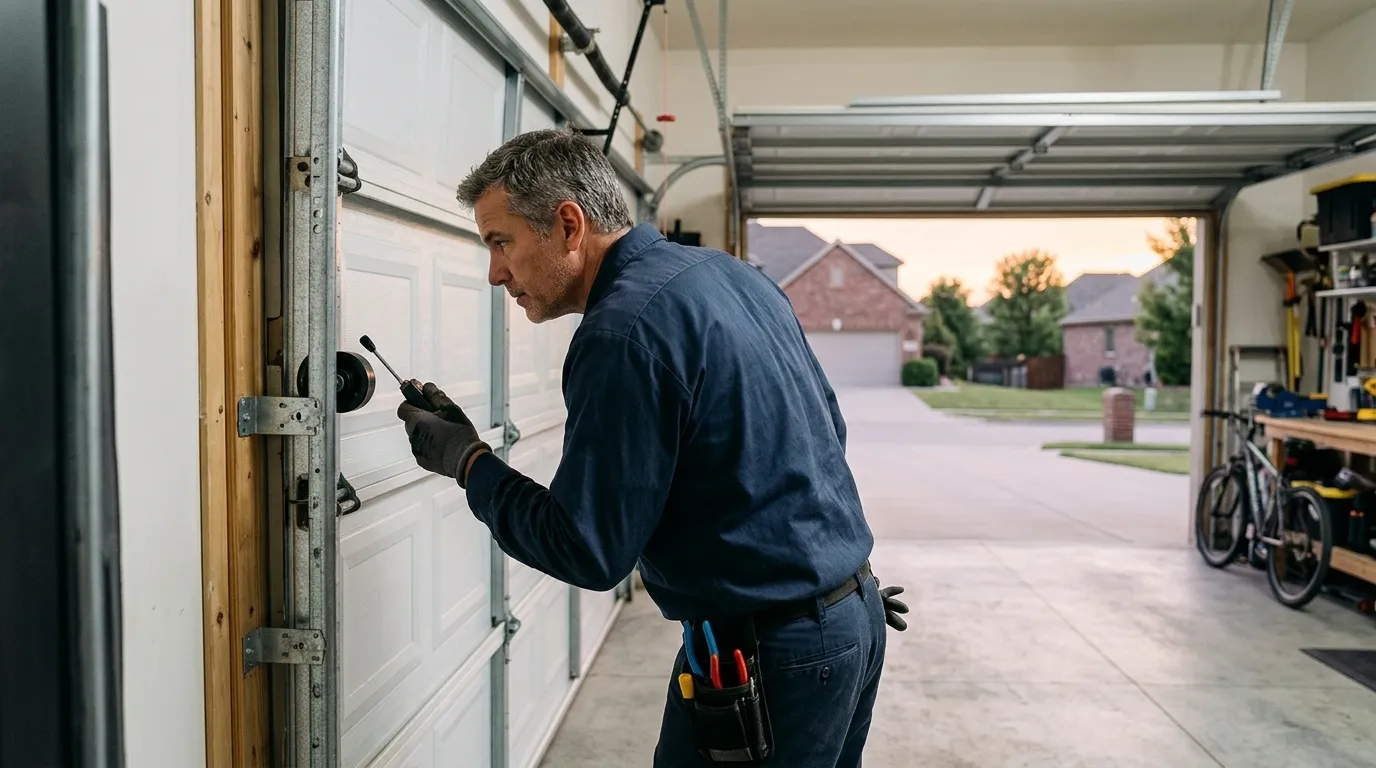
Rollers wearing out on a 1960s-70s Fond du Lac garage door? We explain what drives the noise and binding, what's on the truck, and what a fix runs.
Pricing
We're not going to throw out a number here that doesn't hold up once we're standing in your garage. Roller replacement cost depends on how many rollers are shot, whether you want steel or nylon, and whether the track has to come off to get them out.
A single cracked roller on an otherwise sound door is a small job. A full set of ten worn rollers on a double door, especially if the track is bent from years of a roller riding rough, is a bigger one.
What we can tell you: this is one of the more affordable garage door repairs there is, and it's rarely worth putting off. A roller that's grinding or chipped doesn't get better on its own - it wears the track faster, then the opener has to work harder, then you're looking at a motor problem that started as a two-dollar part.
If you want an actual number, we'll give you one after we look at the door, not before. One honest limit: if your track is bent badly enough, roller replacement alone won't fix the noise. At that point you're paying for track work too, and we'll say so instead of selling you rollers that won't solve it.
On the truck
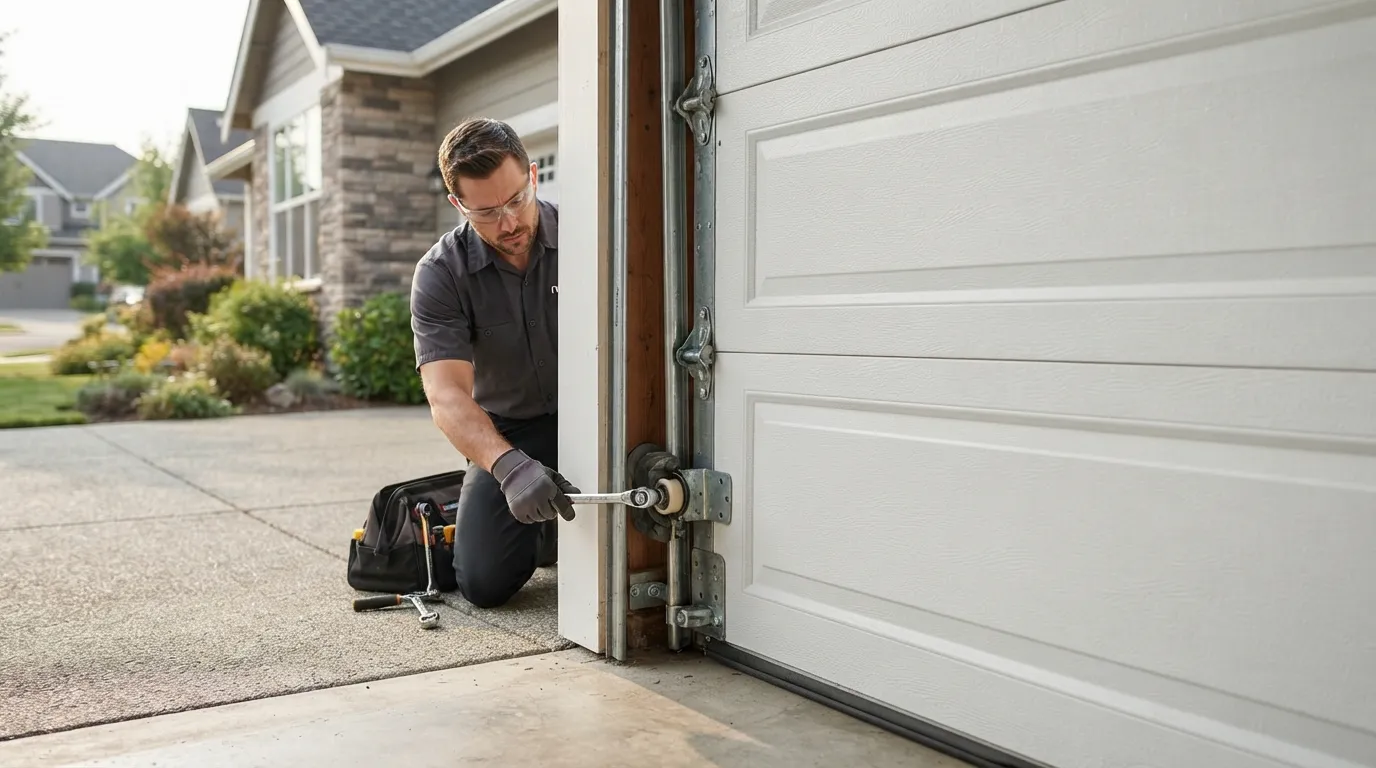
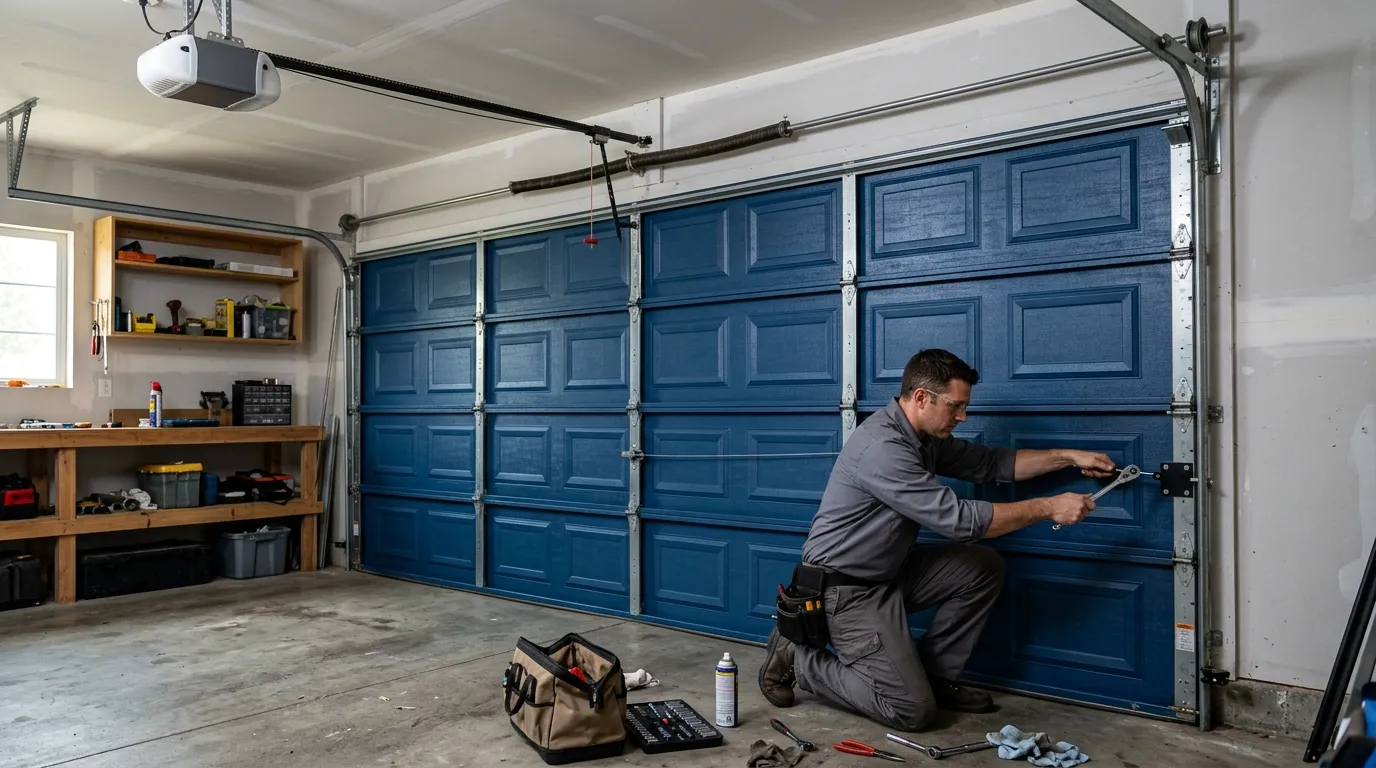
Steel rollers with sealed bearings, nylon rollers in the common stem lengths, and the sleeves and bolts that go with them. Most Fond du Lac jobs use one or the other depending on what's already on the door and what the owner wants going forward - nylon runs quieter, steel holds up longer under heavy daily use.
We carry standard 4-inch and 2-inch stem rollers, the two lengths that fit the great majority of doors built in this area. What we don't carry on the truck is odd, low-volume hardware for doors that were custom-built or heavily modified - if your door has non-standard track spacing, that can mean a return trip while we source the right part. We'd rather tell you that up front than pretend every job wraps in one visit.
We also bring lubricant made for garage door hardware, not household grease, because the wrong lubricant is part of why rollers fail early in this climate to begin with.

Warning signs
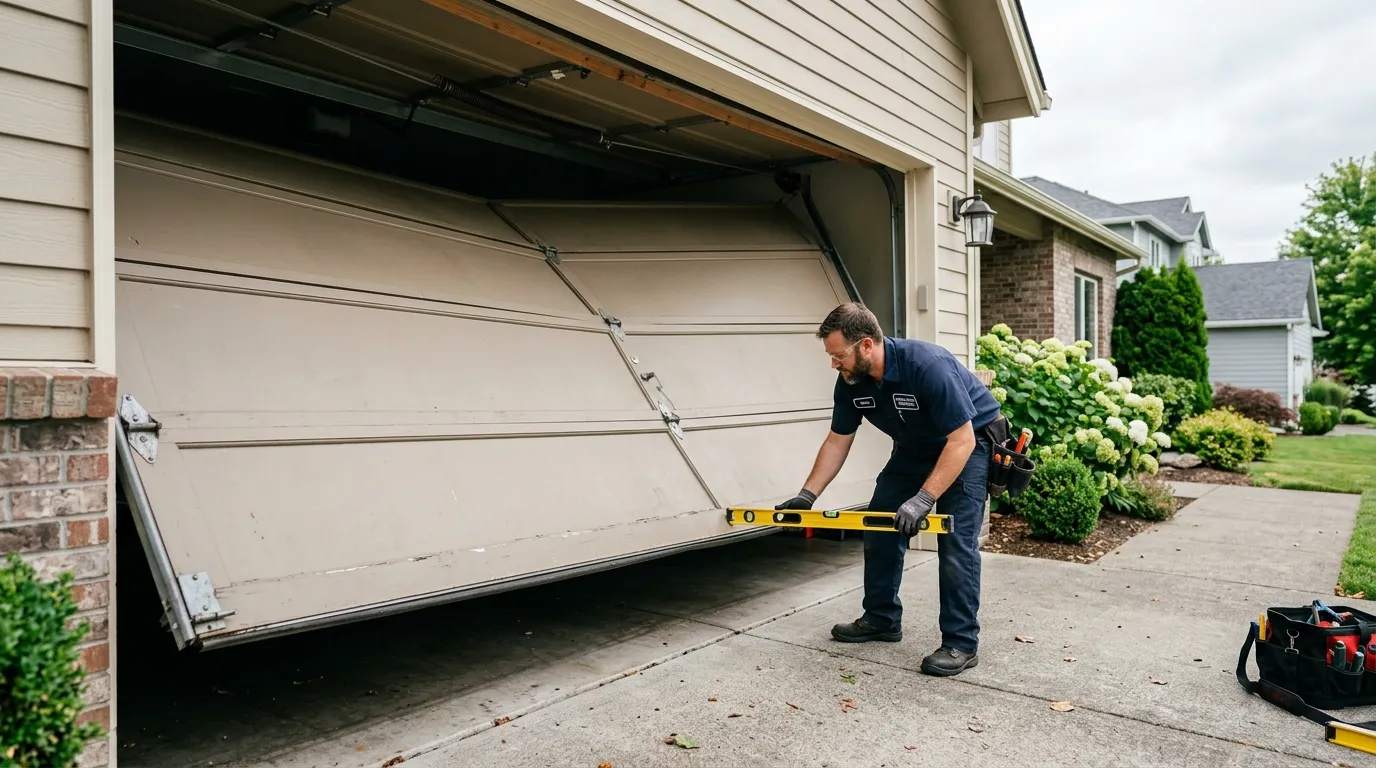
A grinding or rattling sound as the door travels, a door that jerks or hesitates at the same spot on the track every time, or a roller you can see is chipped, flat on one side, or missing its bearing cover.
Sometimes it's visible wobble in the panel itself as it rolls past the bend in the track. Sometimes the opener just seems to be working harder than it used to, straining a little at the top or bottom of the run. That's usually not the opener's fault.
It's a roller that's lost its round shape or seized on its stem, so instead of turning smoothly it's dragging or skipping along the track. Left alone, a dragging roller wears a groove into the track itself, and at that point you're not swapping a part - you're replacing track section too.
Local causes
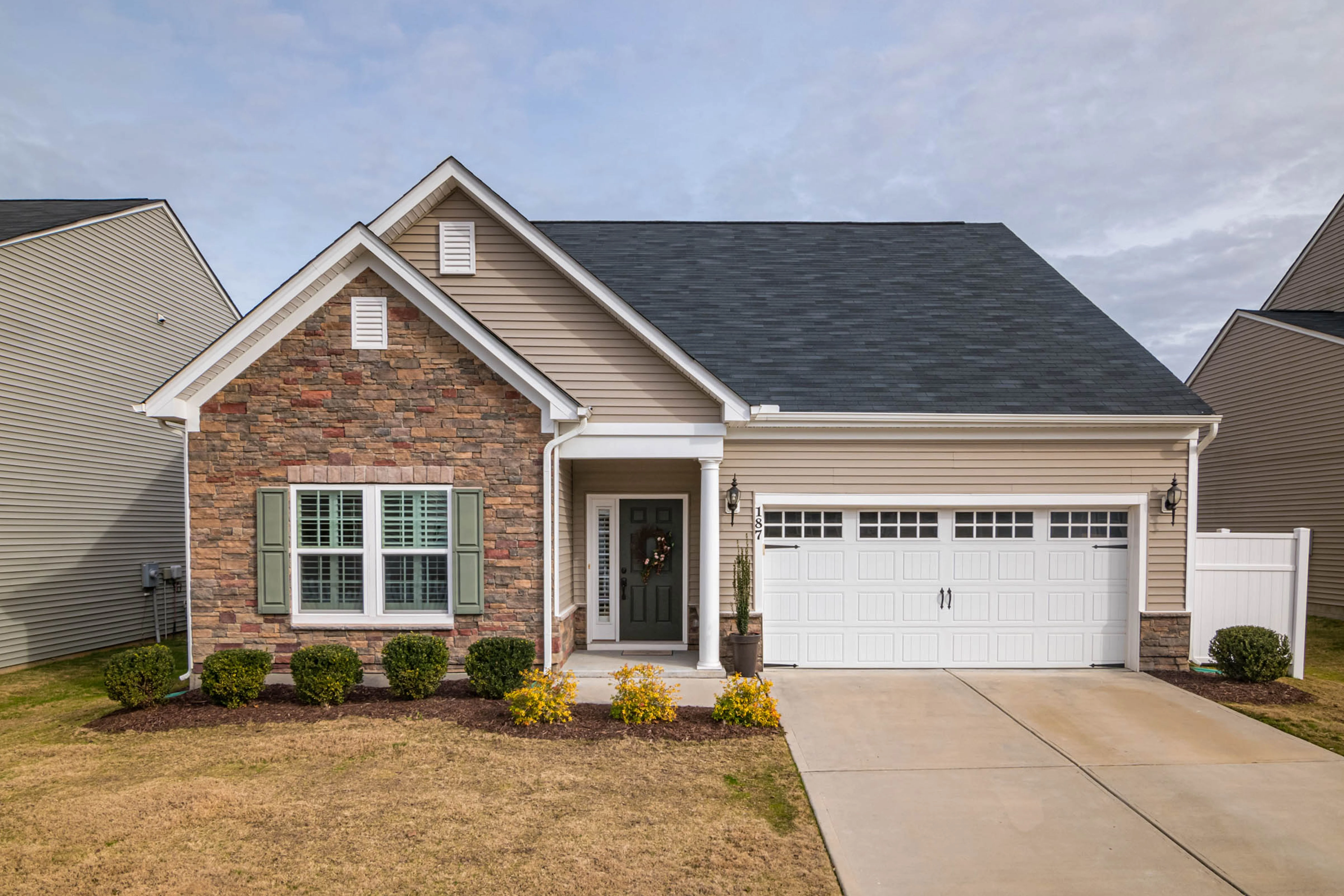
Fond du Lac's housing stock across the service area runs mostly 1938 to 1993, with the bulk of it dating to the 1960s and '70s. Doors and hardware from that era, or first-generation replacements installed on those openings, were built with roller specs that don't match what's standard today - plenty of original steel rollers out there are still running on bearings that were never sealed against moisture.
That matters because this is a cold climate with a severe rating, and rollers take the brunt of that. Steel contracts in the cold, grease stiffens, and a roller that was already worn starts binding hard on the first sub-zero morning of the season. That's why we see a spike in roller calls through the coldest stretch of winter - it's not that rollers fail more often in the cold, it's that a marginal roller that limped through fall finally locks up when the temperature drops.
Houses in this area also tend to see a door cycle daily, sometimes several times a day, which puts more wear-hours on rollers than a door used occasionally. Combine original 1960s-70s hardware with decades of daily cycling and a hard winter, and roller wear is one of the most common calls we get across the whole area we serve.
Questions
Depends on the door's age and how it's been maintained. Sometimes it's one cracked roller causing the noise and the rest are fine. Other times, especially on original hardware from the 1960s-70s housing common here, the whole set is worn evenly and it makes sense to do all of them in one visit rather than come back in six months for the next one.
Nylon runs quieter and doesn't need as much lubrication, which helps in an unheated garage. Steel holds up better under heavy daily cycling and doesn't get brittle the way some nylon does in a severe cold climate. Neither is wrong - it comes down to how often the door runs and how much noise bothers you.
You can, but the door is under spring tension and the roller sits inside a track that's easy to bend if you don't seat it right. If it's one roller on a door that's otherwise tracking straight, it's a small job. If the door is already wobbling or dragging, that's usually more than a roller swap and worth having looked at.
Explore more
Ready when you are
Fond du Lac Garage Door Pros repairs and installs garage doors, springs and openers in Fond du Lac, WI and the surrounding area.